Quick Take
- Measure cabinet depth before buying
- Favor tools that solve one daily bottleneck
- Start with one zone instead of reorganizing the whole kitchen
Products to Compare
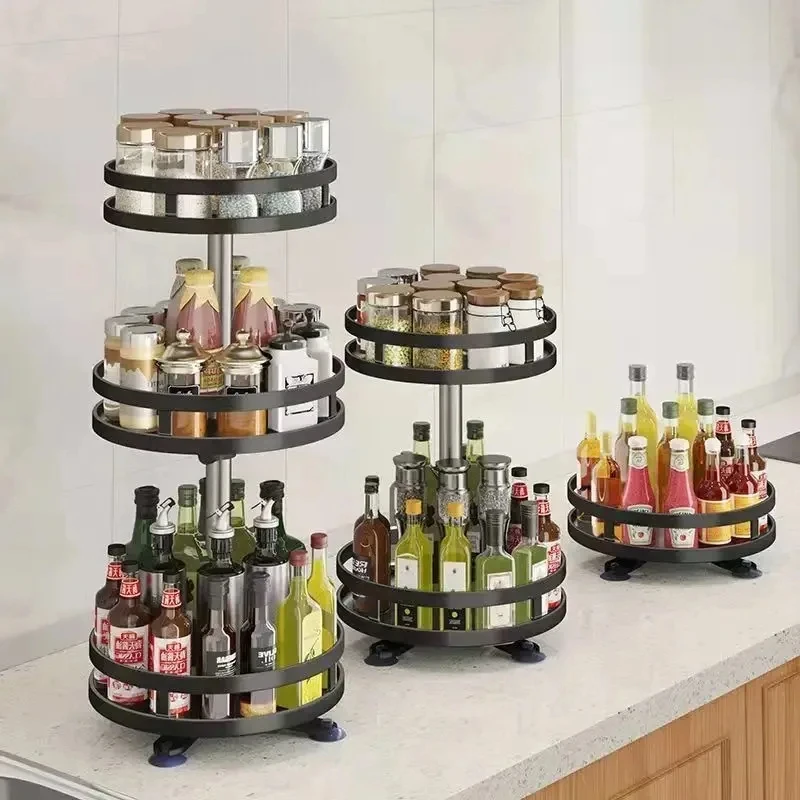
Rotating Spice Rack Organizer
Narrow cabinets and corner counters
Buying note: check seller photos, dimensions, and the shipping estimate before ordering.
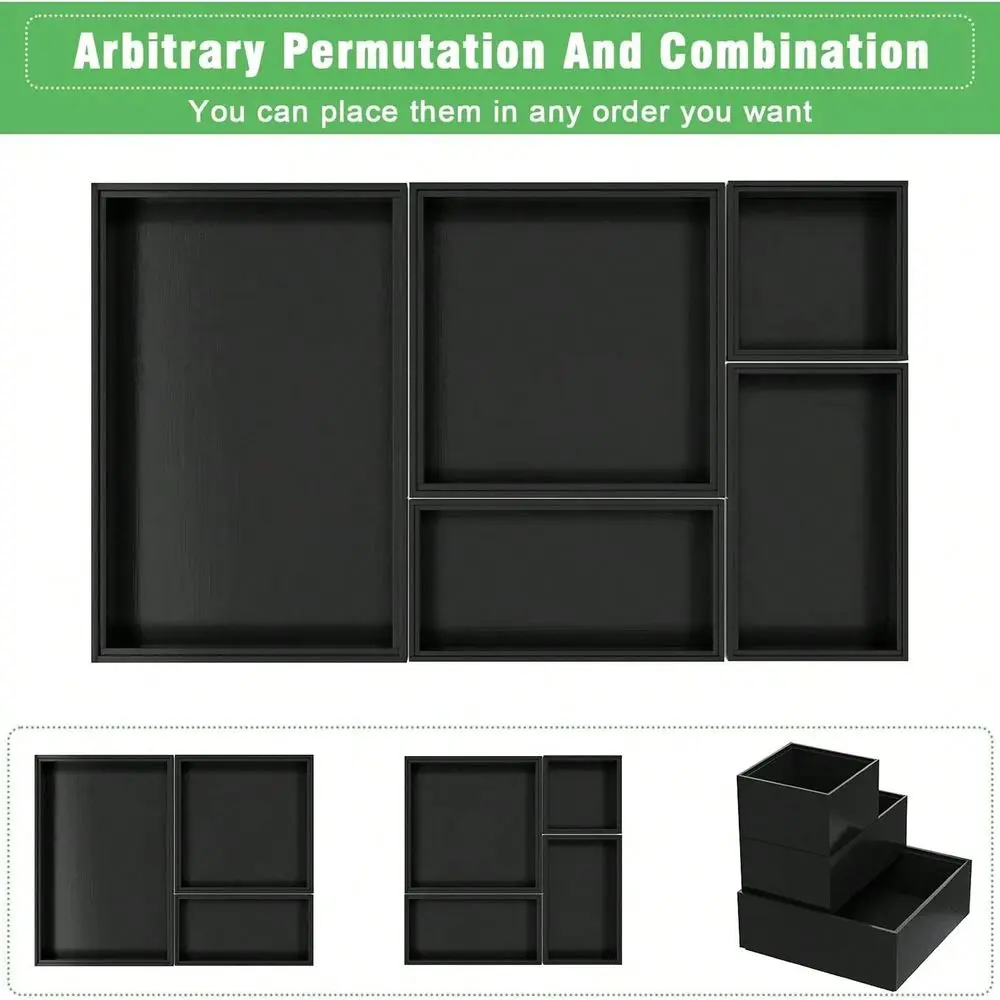
Adjustable Drawer Divider Grid
Mixed utensils, packets, and small tools
Buying note: check seller photos, dimensions, and the shipping estimate before ordering.
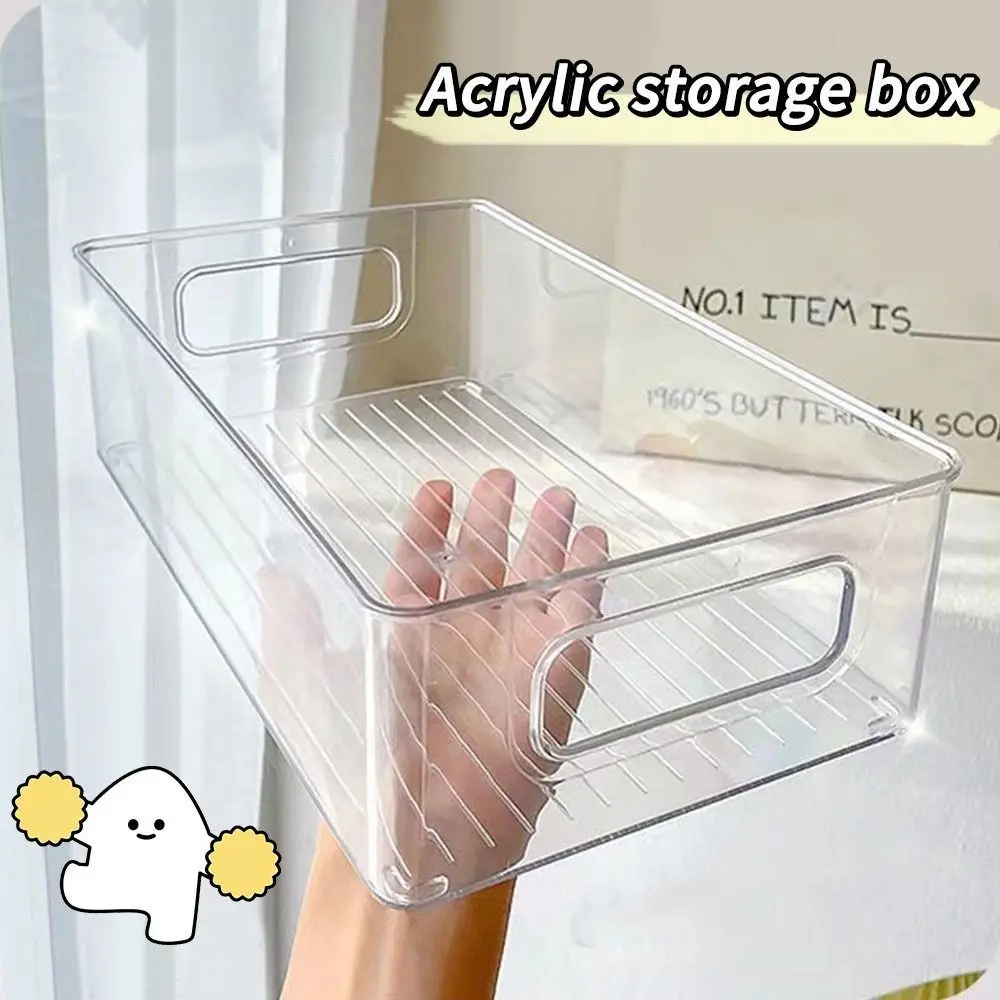
Clear Stackable Fridge Bins
Meal-prep visibility and weekly reset routines
Buying note: check seller photos, dimensions, and the shipping estimate before ordering.
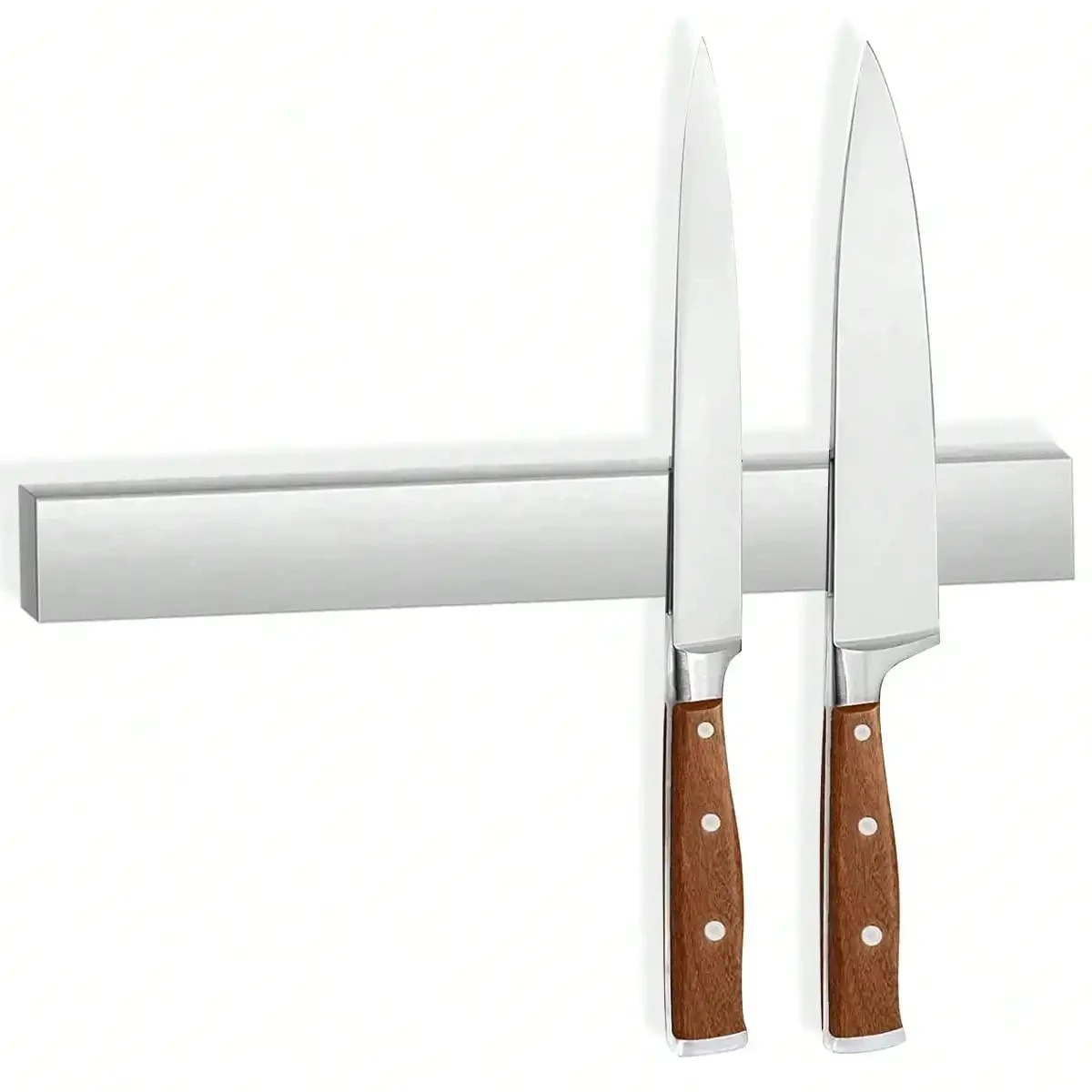
Wall-Mounted Knife Holder
Drawers that are too shallow for knife blocks
Buying note: check seller photos, dimensions, and the shipping estimate before ordering.
Comparison Table
| What matters | Rotating Spice Rack Organizer | Adjustable Drawer Divider Grid | Clear Stackable Fridge Bins | Wall-Mounted Knife Holder |
|---|---|---|---|---|
| Best for | Narrow cabinets and corner counters | Mixed utensils, packets, and small tools | Meal-prep visibility and weekly reset routines | Drawers that are too shallow for knife blocks |
| Dimensions | 26 cm diameter x 28 cm high | Cut-to-fit grid panels | Assorted bin sizes | 30-40 cm rail length |
| Material | Powder-coated metal and plastic tray | Plastic panels | Clear PET plastic | Stainless steel or magnetic strip |
| Estimated price | $12.59 | $6.99 | $13.99 | $8.29 |
| Rating signal | 4.6 / 5 | 4.2 / 5 | 4.5 / 5 | 4.4 / 5 |
| Before buying | Measure cabinet depth | Measure drawer depth | Measure fridge shelf depth | Confirm mount type |
Selection Criteria
- Compact footprint matters more than maximum capacity.
- Modular pieces are safer for renters and first apartments.
- Visibility is a feature when it prevents duplicate purchases and forgotten ingredients.
- Real fit: dimensions, door openings, pipe gaps, counter depth, and storage height.
- Useful after the first week: products should solve a repeatable task, not just look tidy in a photo.
- Seller confidence: recent reviews, real-life photos, shipping method, and clear variant options.
Before Buying Checklist
- Measure the space twice and keep the numbers open while shopping.
- Open recent buyer photos before trusting listing renders.
- Check shipping price, estimated delivery, and return language.
- Measure cabinet depth
- Check tray lip height
- Avoid overloading one side
- Measure drawer depth
- Check panel height
Caveats
- Marketplace prices, coupons, shipping estimates, and availability change frequently by country and seller.
- The current seed products need manual seller and commissionability checks before being treated as final recommendations.
- Use this guide as a decision framework, then verify the exact listing before purchase.
Start with the zone that wastes time every day
The fastest win in a small apartment kitchen usually comes from fixing one repeat problem instead of buying a matching set. Most renters get more value from reclaiming a spice shelf, a junked-up utensil drawer, or a hard-to-reset fridge shelf than from adding another countertop tray.
Before buying, write down the exact zone and the failure you are trying to stop. If jars disappear behind taller bottles, you need visibility. If utensils slide into one pile, you need separation. If leftovers become invisible, you need clear bins that fit the real shelf depth.
- Pick one bottleneck: spices, utensils, fridge bins, or vertical wall storage
- Measure the usable opening, not just the full cabinet or drawer exterior
- Keep the product narrower than the zone so loading and cleaning stay easy
- Avoid buying two organizers that solve the same problem before testing one
Measurements that matter before you buy apartment kitchen organizers
Apartment kitchens punish guesswork because tolerances are tight. A rotating spice rack can fail if the tray spins into the cabinet wall, drawer dividers can become useless if the drawer is too shallow to close cleanly, and wall-mounted storage can become lease-risk clutter if the surface is textured or damp.
The most useful measurement set is simple: cabinet depth for spice storage, drawer interior height for dividers, fridge shelf depth and lip height for bins, and backsplash or wall surface type for adhesive holders. These numbers filter out most bad listings before you waste time comparing colors or accessory bundles.
- Spice racks: check depth plus the clearance needed for the tray to rotate
- Drawer dividers: check interior width, side-wall shape, and closed-drawer height
- Fridge bins: check shelf depth, shelf width, and whether a bin blocks the crisper
- Wall storage: confirm smooth surface, safe placement, and non-permanent mounting
Which organizer type usually wins in a small apartment kitchen
A rotating spice rack is the better first buy when your problem is hidden jars or a narrow upper cabinet. Drawer divider grids win when utensils, packets, and prep tools mix together because they make the drawer readable without taking new visible space. Clear fridge bins are the strongest option when groceries disappear and meal prep resets keep failing.
Wall-mounted storage is the most conditional choice for renters. It can free drawer or counter space, but only when the mount is truly removable, the surface is smooth, and the weight stays modest. If any of those conditions are weak, treat wall storage as a later upgrade instead of your first fix.
- Choose a spice organizer when labels are hard to see and cabinet depth is limited
- Choose drawer dividers when the drawer already has enough height but poor separation
- Choose fridge bins when leftovers and produce get lost behind each other
- Choose wall storage only when adhesive safety and daily reach both make sense
Buyer caveats and low-risk alternatives for renters
Low-cost marketplace organizers often look better in staged photos than in a daily kitchen. Treat trim-to-fit claims, adhesive strength claims, and oversized bundle photos carefully. The safer move is to verify recent buyer images, check the exact variant dimensions, and prefer one modular piece over a big set that locks you into a layout.
If a product feels close but risky, move sideways instead of forcing it. A drawer tray can beat a divider kit in a shallow drawer, a simple bin can beat a lidded fridge set in a humid shelf, and a freestanding rack can beat an adhesive mount when your lease or wall finish is uncertain.
- Do not trust bundle photos until the listing shows the exact piece count and dimensions
- Check recent buyer photos for wobble, brittle plastic, weak adhesive, or warped trays
- Leave some empty space so the zone stays easy to wipe and reset
- Prefer modular pieces that can move with you to a different apartment
Questions Buyers Ask
What should renters avoid?
Avoid permanent mounting unless the listing clearly supports adhesive or no-drill installation.
How many organizers should I buy first?
Start with one cabinet, one drawer, and one countertop problem so you can see what actually stays useful.
What organizer usually makes the biggest difference in a tiny apartment kitchen?
Usually the organizer that fixes the most repeated friction point, such as hidden spices, a messy utensil drawer, or a fridge shelf where leftovers disappear.
Are wall-mounted kitchen organizers safe for renters?
They can be, but only when the surface is smooth, the load is light, and the listing clearly shows a removable no-drill mounting method.
What should I measure before buying small kitchen organizers?
Measure cabinet depth, drawer interior height, fridge shelf depth, and the exact wall or backsplash surface before comparing listings.